Happy Holidays!

VOL.31

December 2025

Happy Holidays!

Happy Holidays!

In Japan, December is traditionally called “Shiwasu,” a word that literally means “the month when monks run around.” The term comes from an old custom: at the end of the year, Buddhist monks would visit the homes of their parishioners to perform memorial services and prayers. Because they had to travel from house to house in a short, busy period, the month came to symbolize a time of rushing and year-end activity.
Today, the word “Shiwasu” still carries the feeling of a lively, bustling December in Japan—filled with preparations for the New Year, cleaning, celebrations, and gathering with loved ones.

Happy Holidays!

December in Japan is filled with distinctive customs that mark the end of the year. Here are a few traditions you’ll commonly see:
Year-End Cleaning: Families and workplaces carry out a thorough cleaning called ōsōji. This winter “deep clean” symbolizes clearing away the past year’s dust and welcoming the new one with a fresh, purified space.

Year-End Parties: Friends, colleagues, and families gather for bonenkai, meaning “forget-the-year gatherings.” These parties are a way to let go of the year’s stress and enjoy a cheerful moment together.

New Year Preparations: Homes are decorated with items like pine and bamboo (kadomatsu), and families prepare traditional dishes for the New Year. These customs are believed to bring prosperity and good fortune for the coming year.
In this way, December in Japan becomes a lively month filled with both practical tasks and spiritual preparations, all leading toward a hopeful and refreshing start to the new year.

  • Iromusubi / Beniaka

    Iromusubi / Beniaka

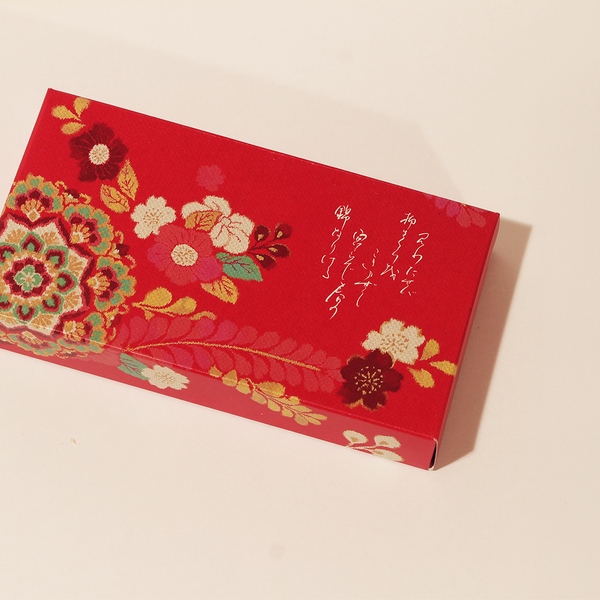
    Iromusubi's color is inspired by the vivid safflower-dyed hues long treasured in Kyoto’s textile culture. This warm, energetic shade has been associated with vitality and positivity for centuries.

  • Mikage

    Mikage

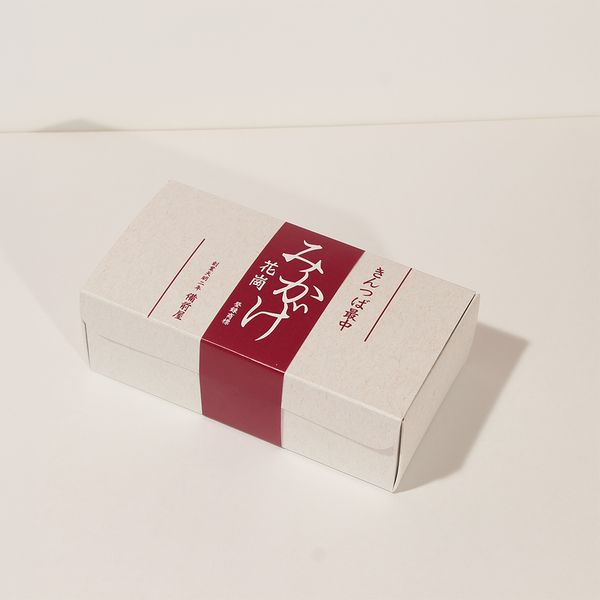
    Mikage brings together two classic Japanese sweets in one delightful treat. The smooth, gently sweet red bean paste—made from carefully cooked Tokachi azuki—is paired with crisp monaka wafers inspired by the stone-paved streets of historic Okazaki.

  • Houjicha-warabimochi

    Houjicha-warabimochi

    This warabimochi is kneaded with Uji hojicha tea, made by roasting green tea leaves to create a savory flavor. Enjoy it with a moderate sprinkling of their original soybean flour, which is a blend of soft flavored Kyo-tenki soybean flour and powdered hojicha from Uji.

  • Kiwamishuchin ~Kurenai~

    Kiwamishuchin ~Kurenai~

    Kiwamishuchin Kurenai is a beautifully curated selection of Kyoto-style rice crackers crafted by skilled artisans. Each piece highlights a different flavor—yuzu, seaweed, shrimp, shichimi, and more—offering a variety of textures in one elegant box. The bright red packaging reflects traditional Kyoto aesthetics.

  • Beans Collection Curry Mame

    Beans Collection Curry Mame

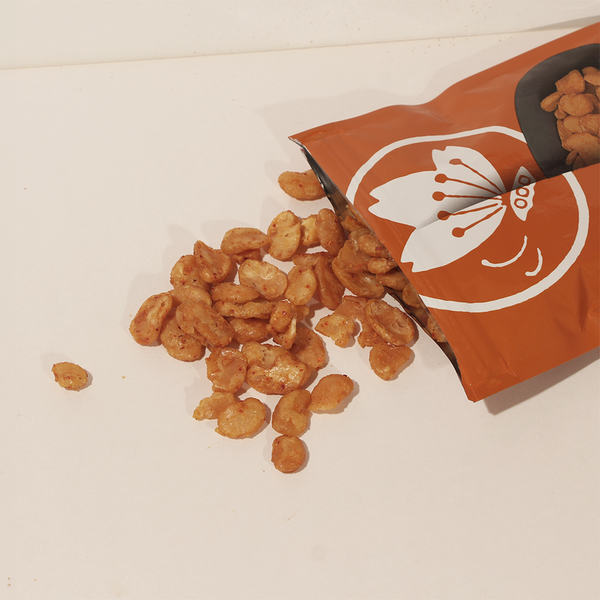
    These crunchy Japanese broad beans are seasoned with a light, aromatic curry spice, creating a savory snack that is easy to enjoy anytime. Made from Kyushu-grown soramame, they offer a satisfying crisp texture and a warm, flavorful finish.

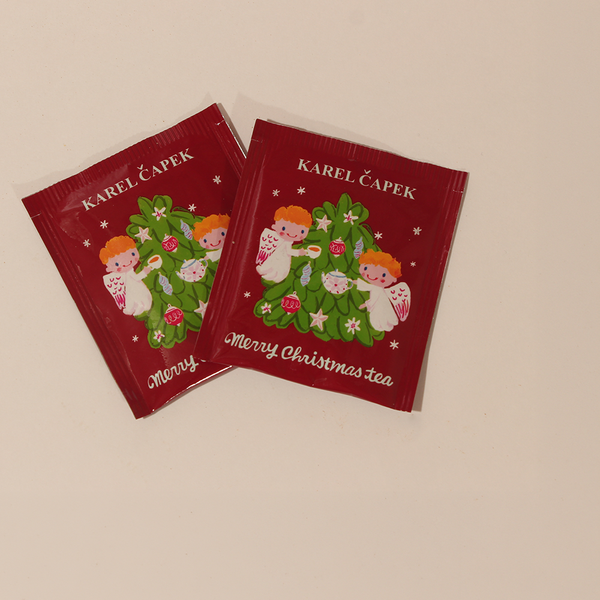
  • Merry Christmas Tea

    Merry Christmas Tea

    This Christmas limited-edition tea comes as individually wrapped tea bags, perfect for gifting or enjoying on the go. The blend features a festive mix of sweet berry aroma with a gentle hint of spice, creating a warm and cheerful holiday flavor. 

  • Kuri Purin

    Kuri Purin

    This seasonal pudding is made with flavorful chestnuts that offer a gentle, natural sweetness. Its smooth and creamy texture highlights the warm, mellow taste, making each spoonful comforting and rich.

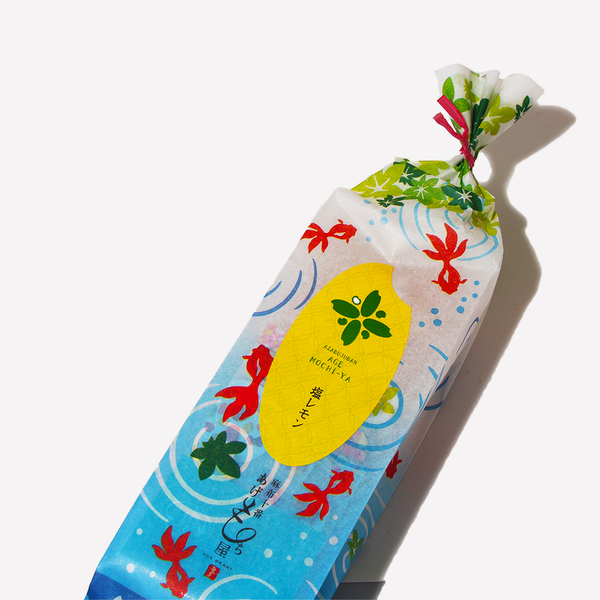
  • Shio Lemon Agemochi

    Shio Lemon Agemochi

    This Okaki is crispy, bite-size pieces of fried dough with a refreshingly sour lemon flavor. Okaki is a traditional Japanese snack made from glutinous rice or regular rice that has been seasoned and dried or roasted.

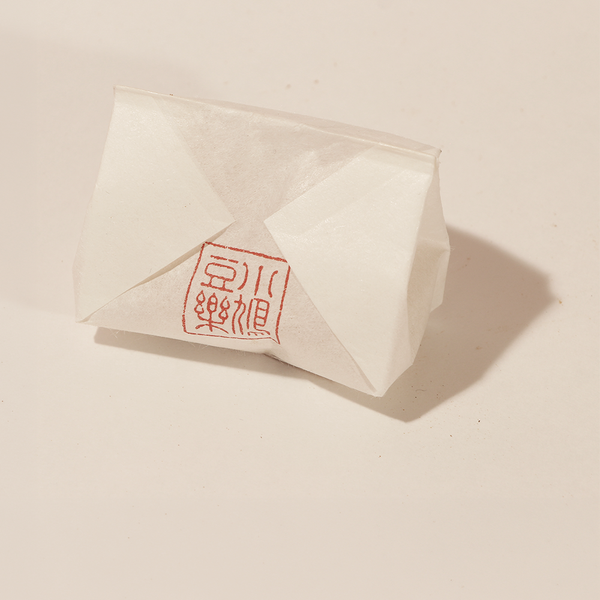
  • Kobato Mameraku

    Kobato Mameraku

    Kobato Mameraku is a charming confection shaped like tiny doves. Made from roasted bean flour and fine wasanbon sugar, it has a delicate, crumbly texture that gently melts on the tongue.

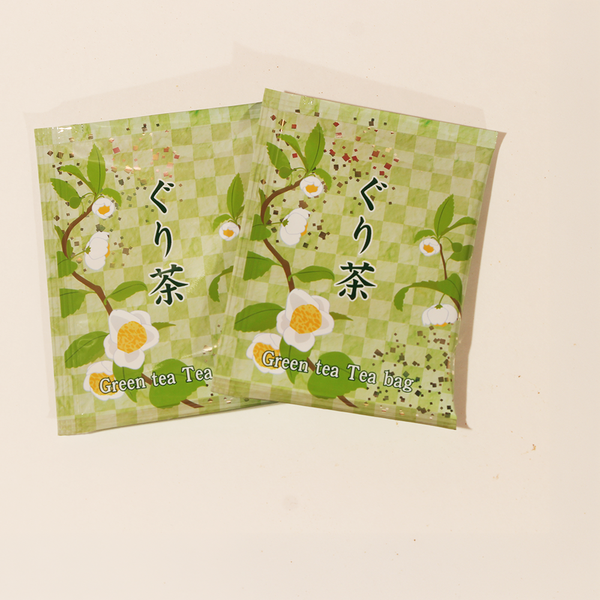
  • Guricha Tea Bag

    Guricha Tea Bag

    This Izu-grown “Guricha” green tea is made using a deep-steaming method that creates a mild, smooth flavor with a gentle aroma. Each tea bag is individually wrapped, making it easy to enjoy fresh green tea wherever you are.

1 of 10