“Out with demons! In with fortune!”

VOL.33

February 2026

“Out with demons! In with fortune!”

“Out with demons! In with fortune!”
Around February 3rd, a traditional Japanese event called Setsubun is held. This day marks the eve of the beginning of spring according to the old lunar calendar. Even today, the custom of bean-throwing is practiced during Setsubun to ward off evil and invite good fortune.
The beans used for this ceremony are roasted soybeans, referred to as “fortune beans.“ In many households, demon masks are prepared, and family members, often children, take on the role of the demon. During bean-throwing, people throw beans around their homes, shouting, “Out with demons! In with fortune!” They throw beans outside to drive away evil spirits and inside to welcome good fortune, focusing on doorways, windows, and other key areas.
  • Setsubun Soybeans

    Setsubun Soybeans

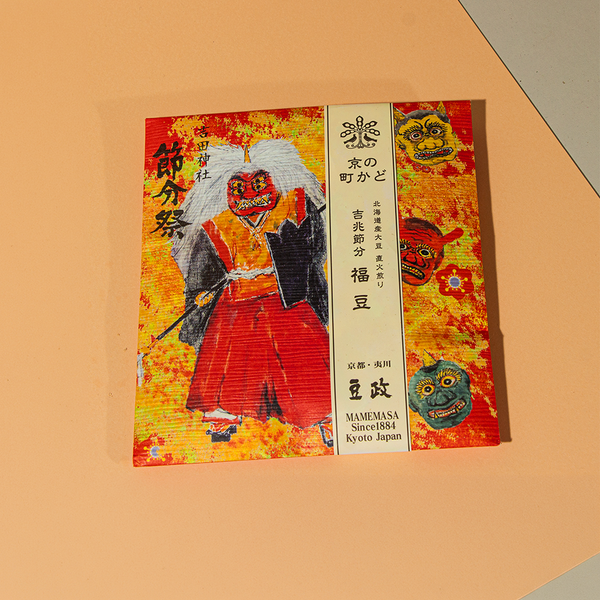
    These fragrant lucky soybeans are specially prepared for the Setsubun festival. Slowly and carefully roasted to bring out the beans' natural flavor and gentle sweetness. Their simple yet lingering taste is their hallmark. The demon depicted on the package originates from the Setsubun Festival at Yoshida Shrine in Kyoto.

  • Redbean With Wafer Cake

    Redbean With Wafer Cake

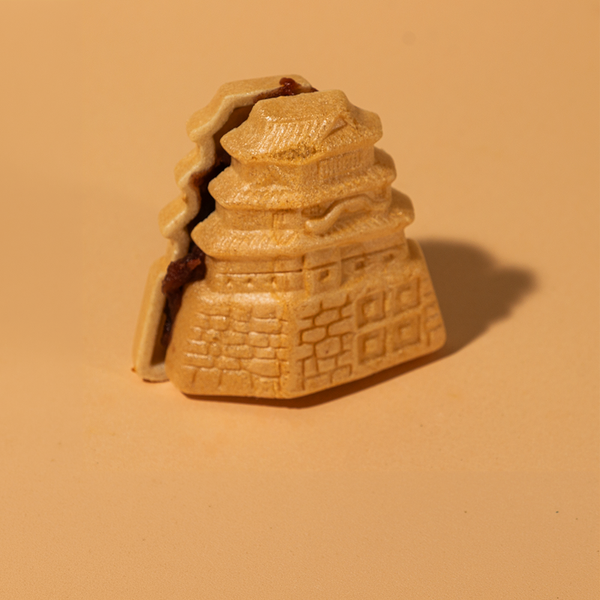
    This monaka is shaped like Marugame Castle in Marugame City, Kagawa Prefecture. It is a do-it-yourself style sweet, allowing you to fill the crisp wafers with sweet red bean paste and enjoy the fresh texture of a handmade Japanese confection.

  • Japanese Tea with Omamori-Shaped Package

    Japanese Tea with Omamori-Shaped Package

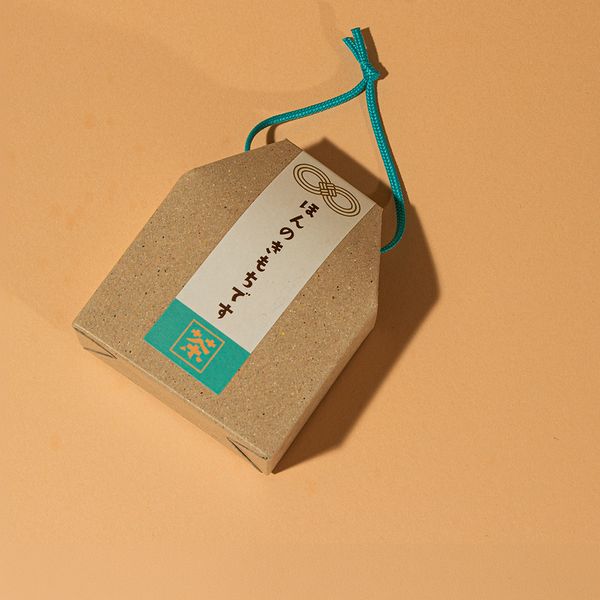
    Omamoricha is a green tea from Shizuoka Prefecture. It comes packaged in the shape of an omamori charm, which is distributed at Japanese shrines and temples and believed to ward off misfortune or grant wishes. The front of the package bears the Japanese phrase "Just a token of my appreciation."

  • Sweet Red Bean Confection

    Sweet Red Bean Confection

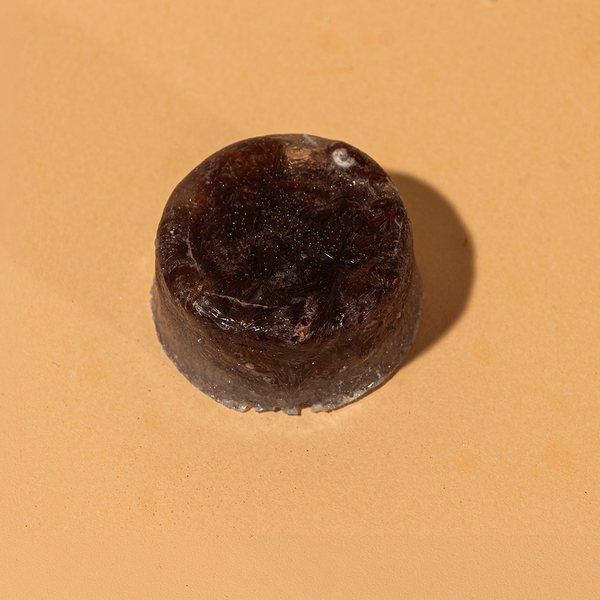
    This sweet is made with candied azuki red beans from Hokkaido, set in a light syrup with agar jelly. Its unique, slightly crunchy texture is refreshing and never tiring, and the bite-sized pieces pair nicely with tea.

  • Chocolate Rice Cracker

    Chocolate Rice Cracker

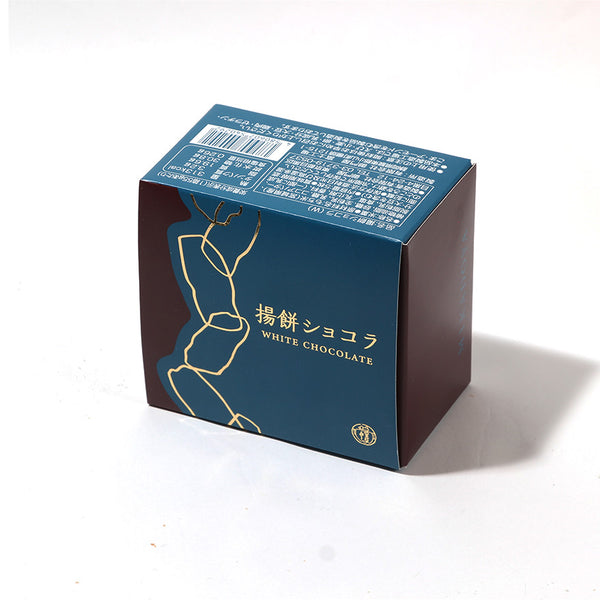
    The gentle sweetness of the white chocolate contrasts with the salty taste of the fried rice cracker, a unique Japanese sweet. Enjoy the sweet and savory collaboration.

  • Five Color Rice Crackers

    Five Color Rice Crackers

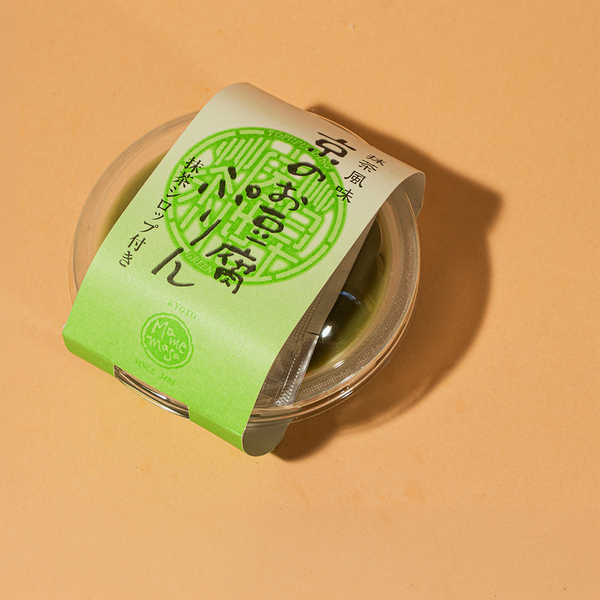
  • Matcha Flavored Tofu Pudding

    Matcha Flavored Tofu Pudding

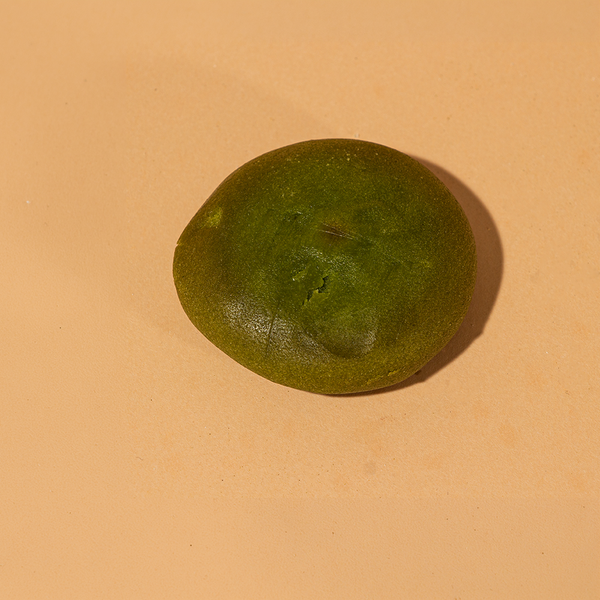
  • Matcha Manju

    Matcha Manju

    This manju uses matcha from Yame City, Fukuoka Prefecture—Japan's premier gyokuro tea-producing region. A luxurious confection, it captivates with its rich aroma and deep flavor, where the moist outer layer and smooth filling blend together exquisitely.

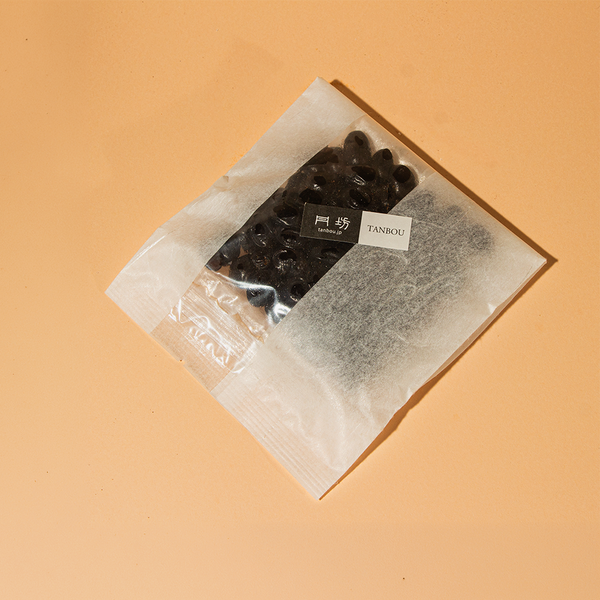
  • Candied Black Soybean

    Candied Black Soybean

    These soft, moist candied black soybeans are made using large, carefully selected black soybeans from Hokkaido, a region known in Japan for producing high-quality beans with deep, rich flavor. Each bean is gently simmered to preserve its natural taste, resulting in a tender texture and a mellow sweetness.

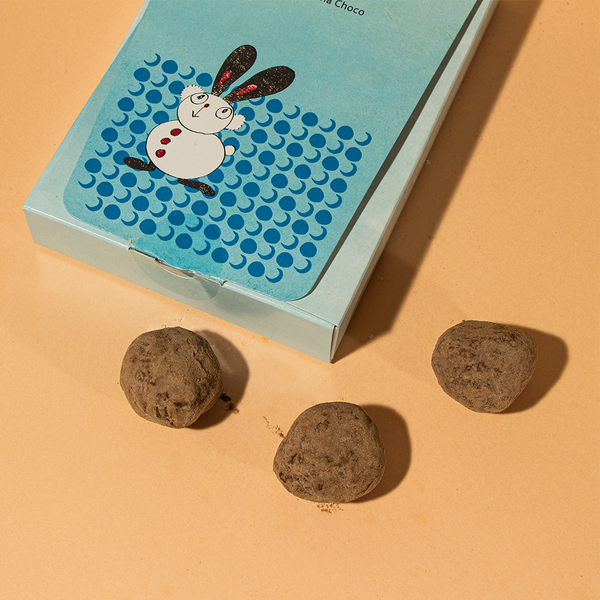
  • Hojicha-Chocolate-Flavored Baked Confection

    Hojicha-Chocolate-Flavored Baked Confection

    This is a confection made by coating Wasanbon macarons—light baked sweets primarily made with cashews and wasanbon sugar—with hojicha-flavored chocolate. The light texture and smooth melt are achieved by repeatedly applying thin layers of chocolate, creating multiple delicate layers that result in a light, crispy texture.

  • Roasted Brown Rice Tea

    Roasted Brown Rice Tea

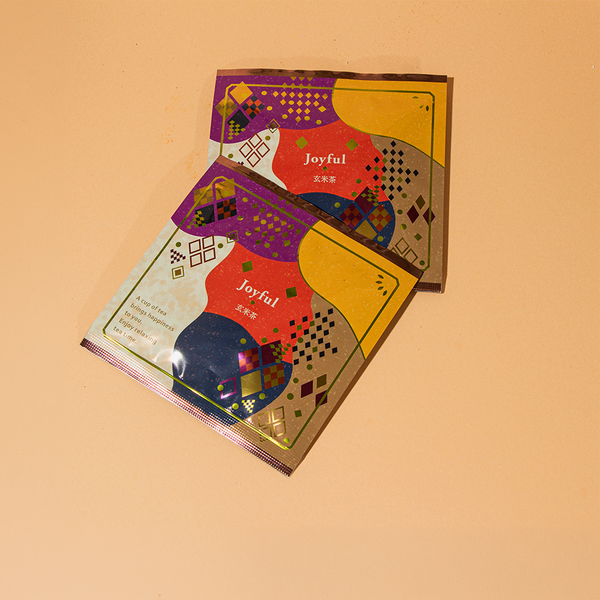
    Genmaicha is a fragrant Japanese tea made by blending roasted brown rice with green tea, such as bancha or sencha, in nearly equal parts. Look closely at the package and you will find a smiling face—just like the warm, cheerful feeling this tea brings.

1 of 11